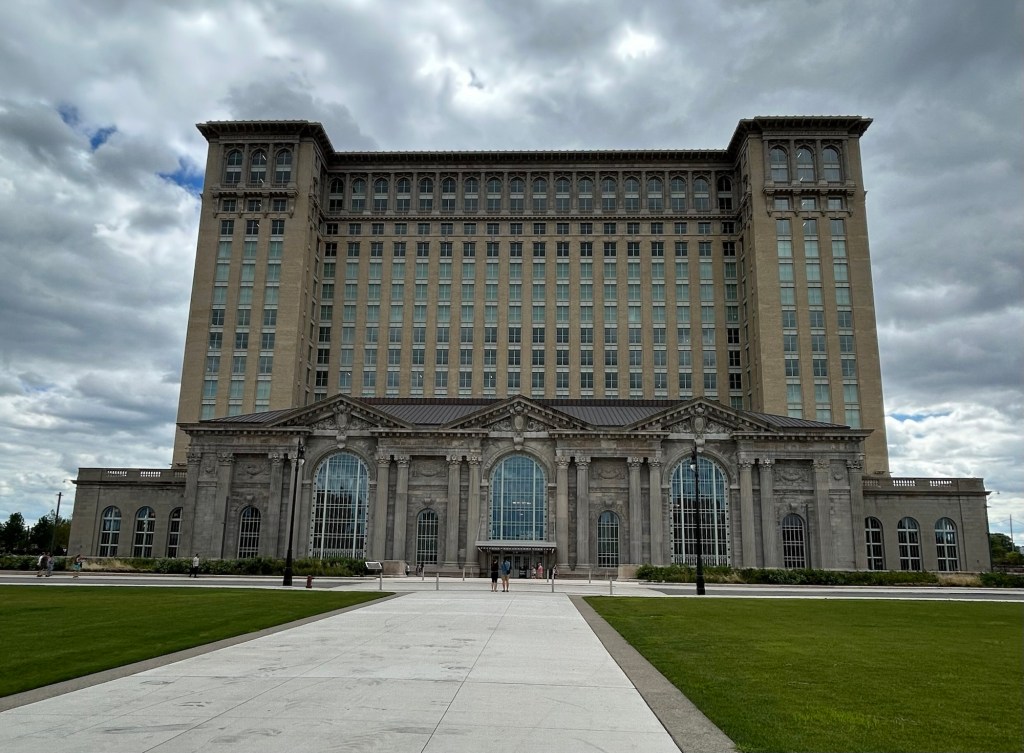
Yesterday, kid 2 and I went downtown to see the newly reopened the Michigan Central Depot.
As the video below explains, for decades, Michigan Central was the transportation hub of Detroit. The facility itself is even larger than New York City’s Grand Central Station. On a personal note, when my father joined the army in the 1960s, he departed for Fort Knox, Kentucky from Michigan Central.
Let’s face it: Detroit doesn’t exactly have a great reputation of being a clean, peaceful city. Perhaps more than any other major metropolitan area in America, Detroit suffered from the one-two punch of suburban flight and urban blight during the second half of the 20th century. The city saw population, once over 2 million people, has fallen to roughly 700,000.
The last trains rolled out of the Michigan Central in 1988. For roughly 30 years, the building stood vacant, decaying and eventually falling victim to the elements. In a city that is overrun with vacant buildings and urban blight, Michigan Central became the Mother of all Eyesores; the multi story monolith with virtually no chance of being renovated, let alone reopened.
You may recognize the building. It has actually been featured in several movies, TV shows and music videos. If you saw the 2007 live action, Transformers movie. Michigan Central was one of the sites used to film the climactic downtown battle between the Autobots and the Decepticons.
The next time you watch this movie: pay attention to the street signs during the big downtown scenes. The blue and white signs are real locations in Los Angeles. The green and white signs are real locations in downtown Detroit!
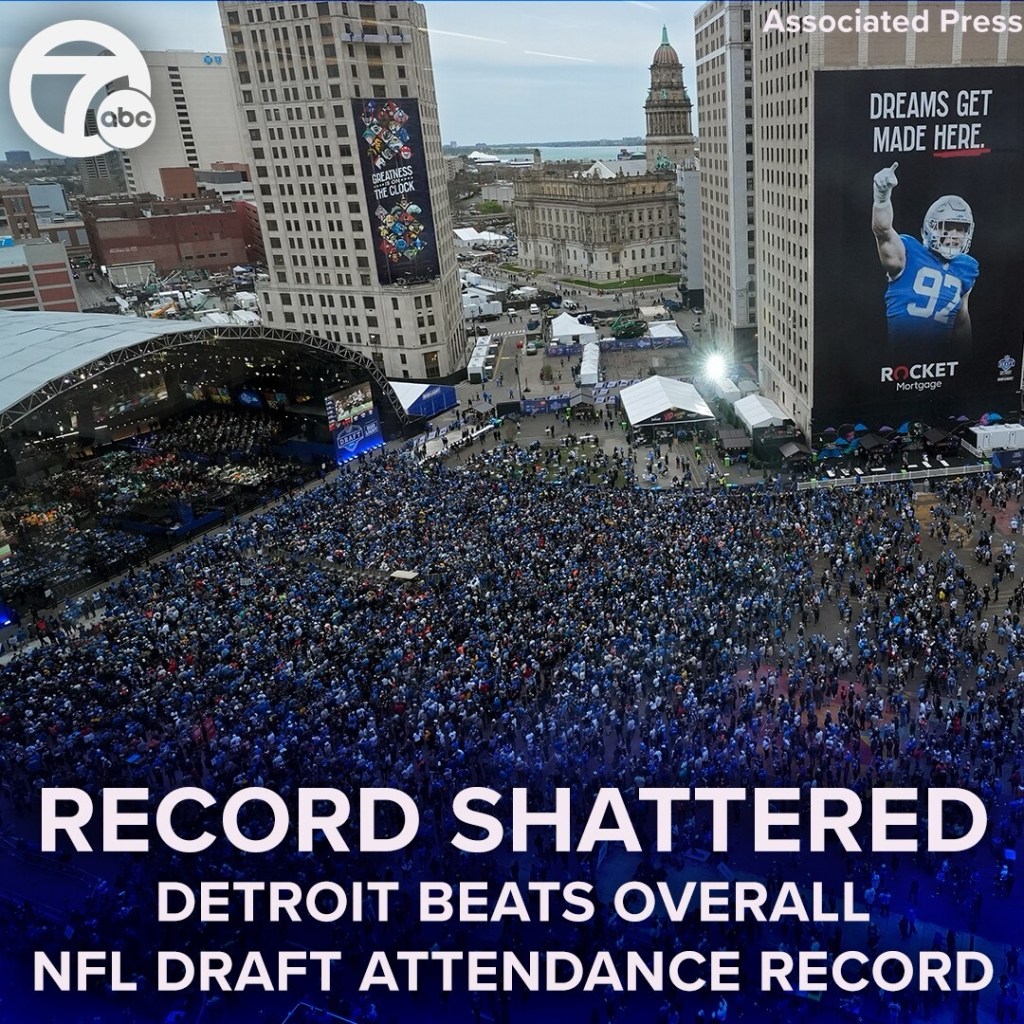
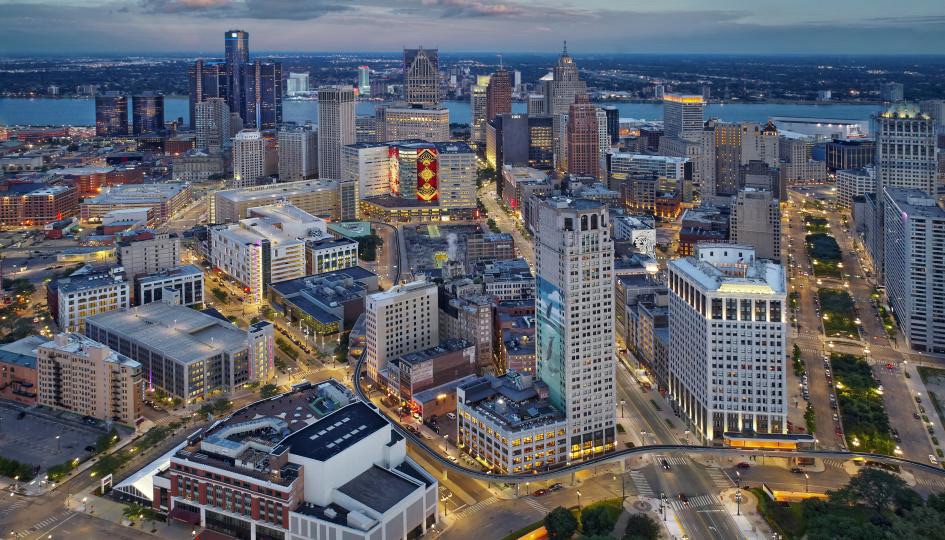
But something happened in the city in the late 80s. Business is started returning. The big money movers-and-shakers of the area decided to put their money where their mouths were. One by one, landmarks were being restored and reopened. The cities for major sports teams, the Tigers, the Lions, the Pistons and the Red Wings, have moved to state-of-the-art facilities within a few blocks of each other downtown. Thanks to some government, subsidies and a lot of human innovation, small businesses started popping up all over the city. Finally, Detroit showed its first population growth in 60 years during the most recent census.
As the video explains, the Ford Motor Company decided to purchase Michigan Central with the hopes of renovating it. Their plan was to build their new electric battery facility in the neighborhood known as Corktown. In addition, their plan also included restoring Michigan Central. No, it is no longer functioning train station, but the plan is to, include restaurants, retail, public spaces, and parks in the former train station area.
But bit by bit, piece by piece, I got to see this building being restored over the course of six years. First the windows and roofing was replaced. Then the exterior was sandblasted. As I wasn’t working there, I didn’t get to see what was going on inside, heard stories about it.
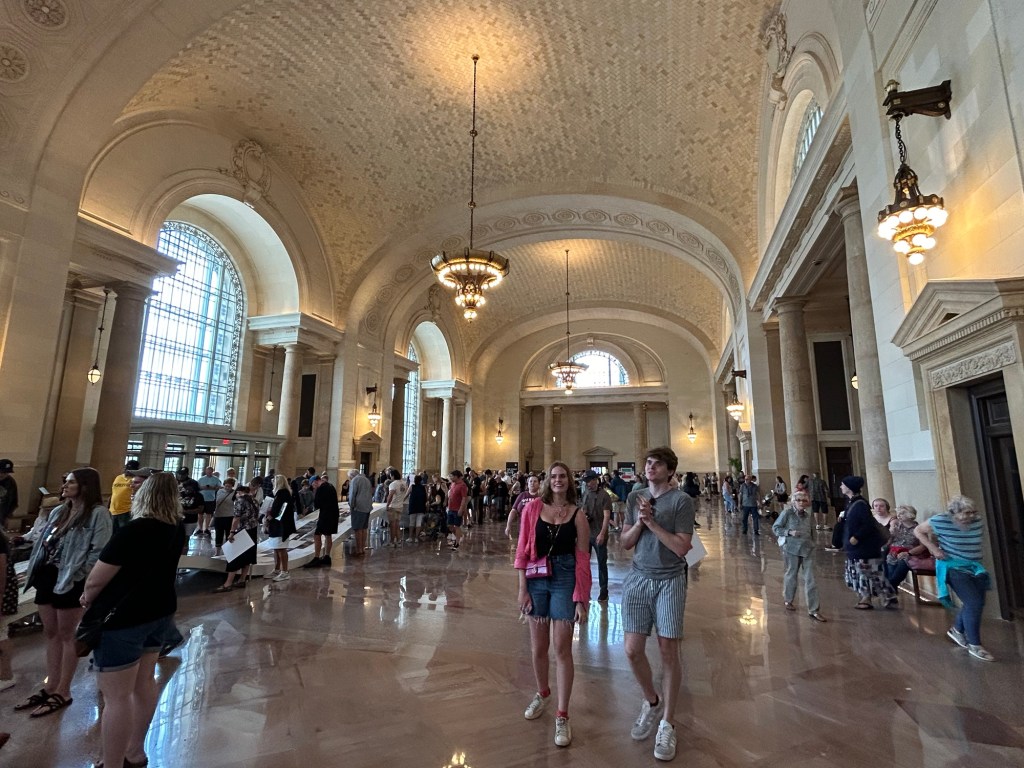
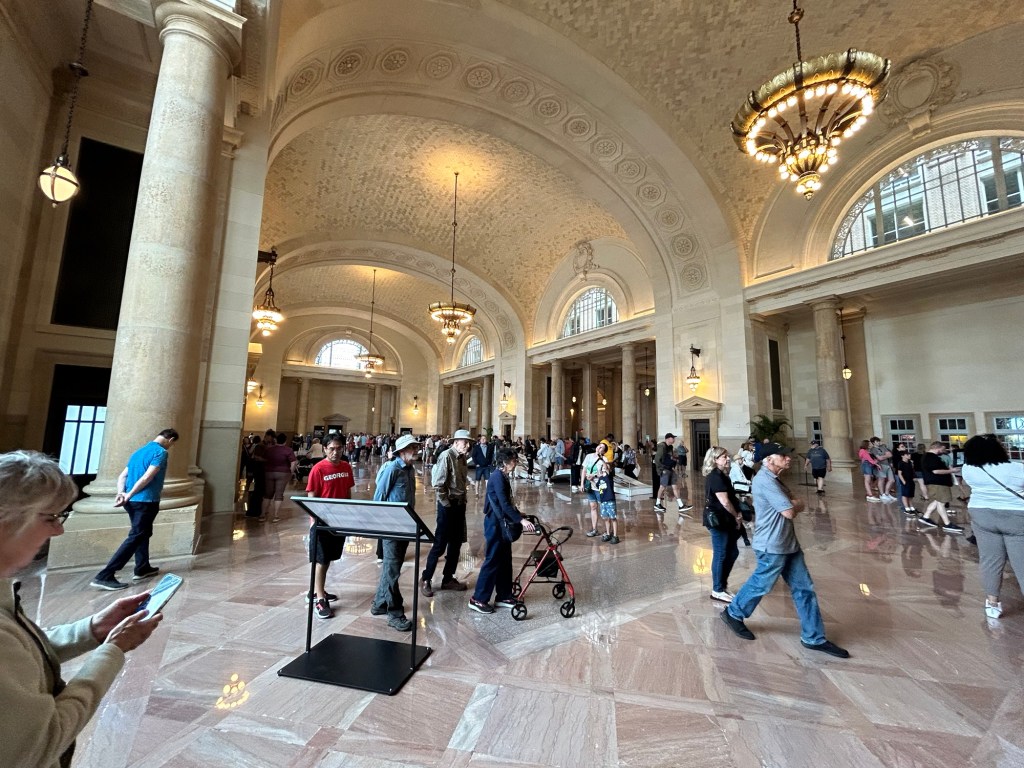
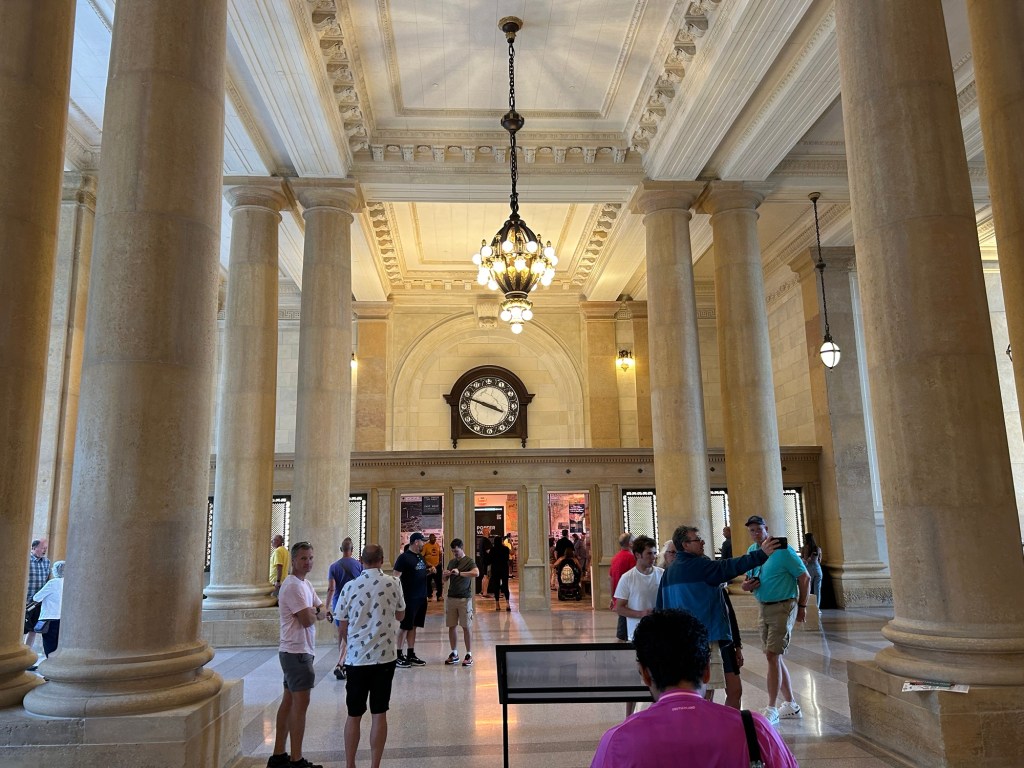
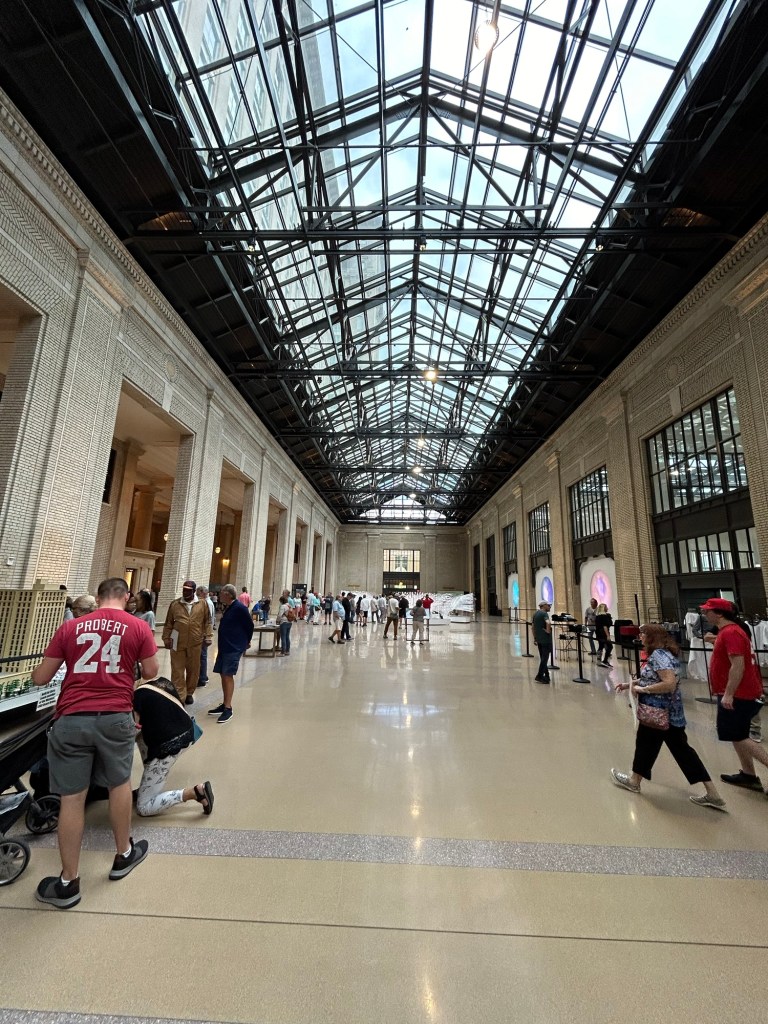
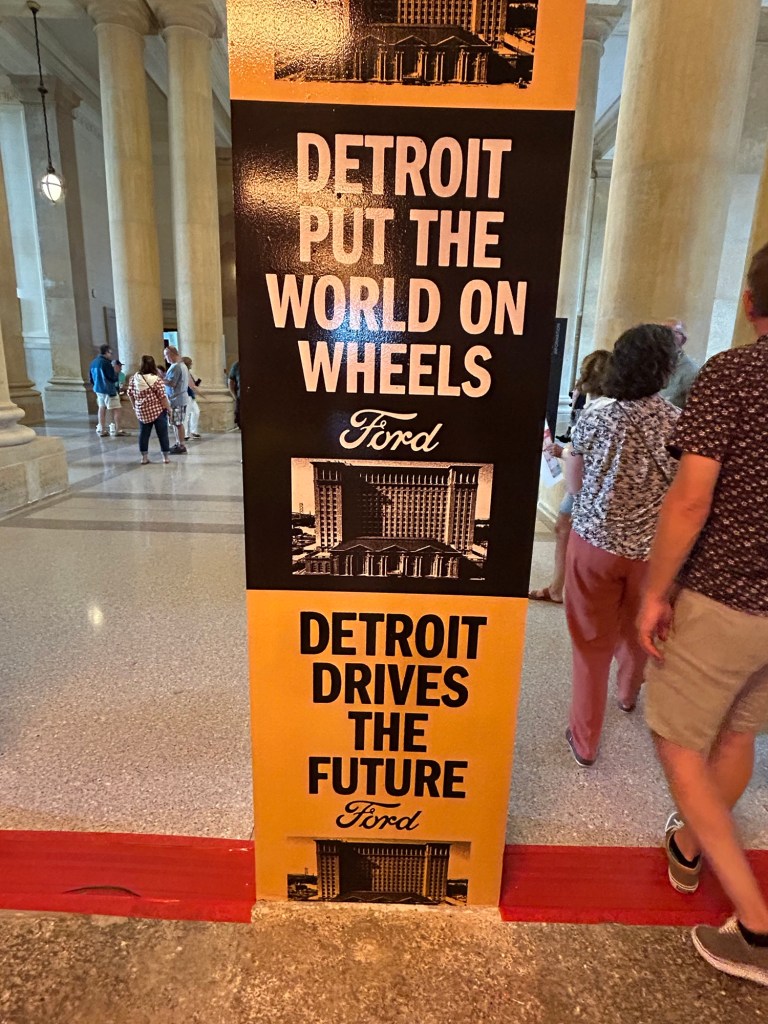
Like countless other metro Detroiters, I must admit that I never thought I would actually see Michigan Central reopened. I thought there was absolutely nowhere. This building could be saved. In fact, I’d already envisioned a fantasy sequence in my head where the military scrambled an F-15 fighter from Selfridge Air National Guard Base to level the building with the missile or two.
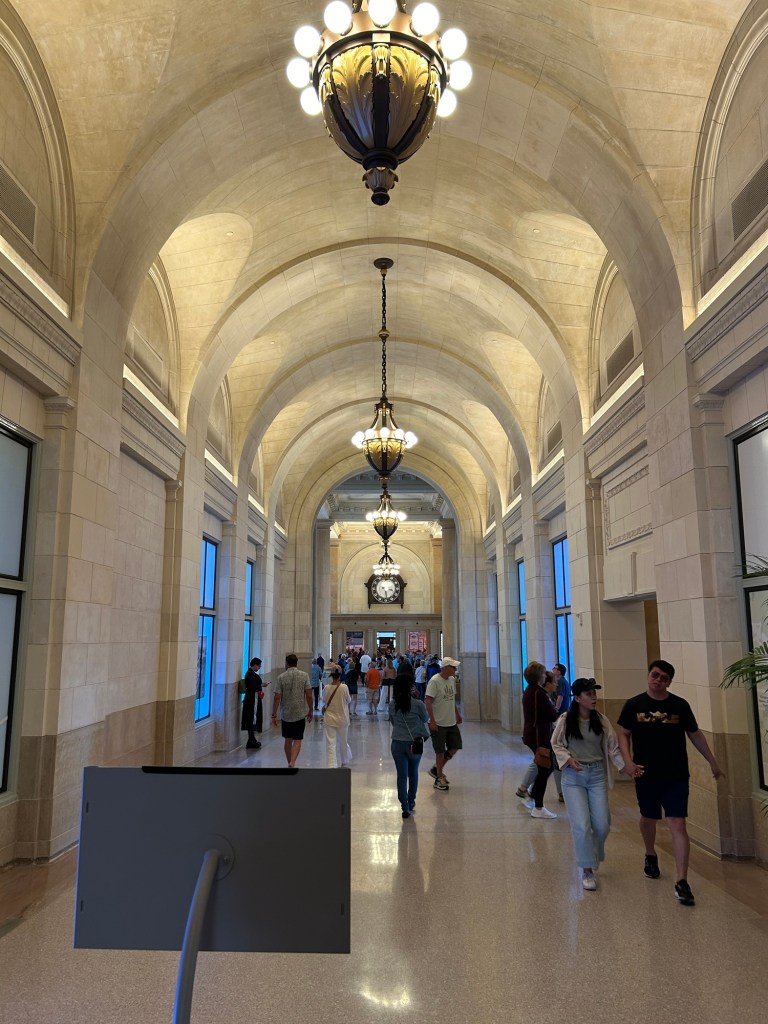
Currently, only portions of the first floor of Michigan Central are open to the public. Could two and I did the free tour yesterday, where were able to witness firsthand the intricate restoration work that went into resurrecting this facility. I think my two favorite features of the facility now are the “before” photos that are situated at various advantage points throughout the building. They show you exactly what the decay of the building looks like from that particular advantage point before restoration began.
Also, and one of the first floor exits, the last of the graffiti, most of which was sandblasted away during restoration work, remains on the walls. The decision was made to keep this section of graffiti as it is now part of the buildings history.
Walking through the newly restored building, I could not help but feel a certain sense of pride. I know it sounds cheesy, but this building made me proud to be a member of this community. I don’t currentlym nor have I ever lived in the city proper, but I have worked there. I have gone to school there. I always will call Detroit my home.
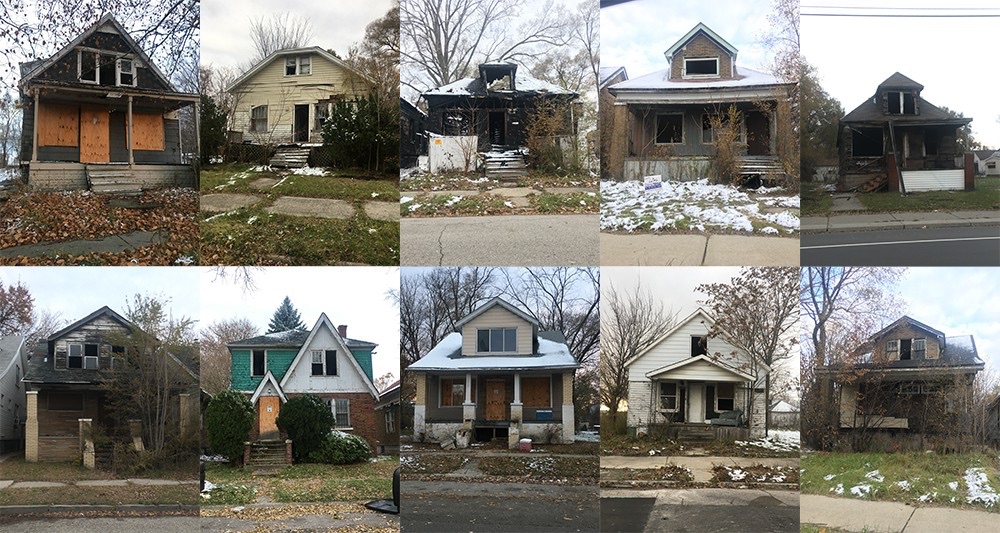
Of course, restoring a couple of old downtown buildings is the easy part. Doesn’t take much to throw money at a project and generate some temporary work. The big challenge for Detroit is going to be getting people to permanently relocate to the city; to call Detroit home once again. but even that is underway. New homes are being constructed. Older homes are being renovated. But I think at this point, what the city really needs is every day businesses. Detroit needs supermarkets. Neighborhoods have to be rebuilt, It needs retailers, other than the hipster boutiques that seem to pop up in major big cities
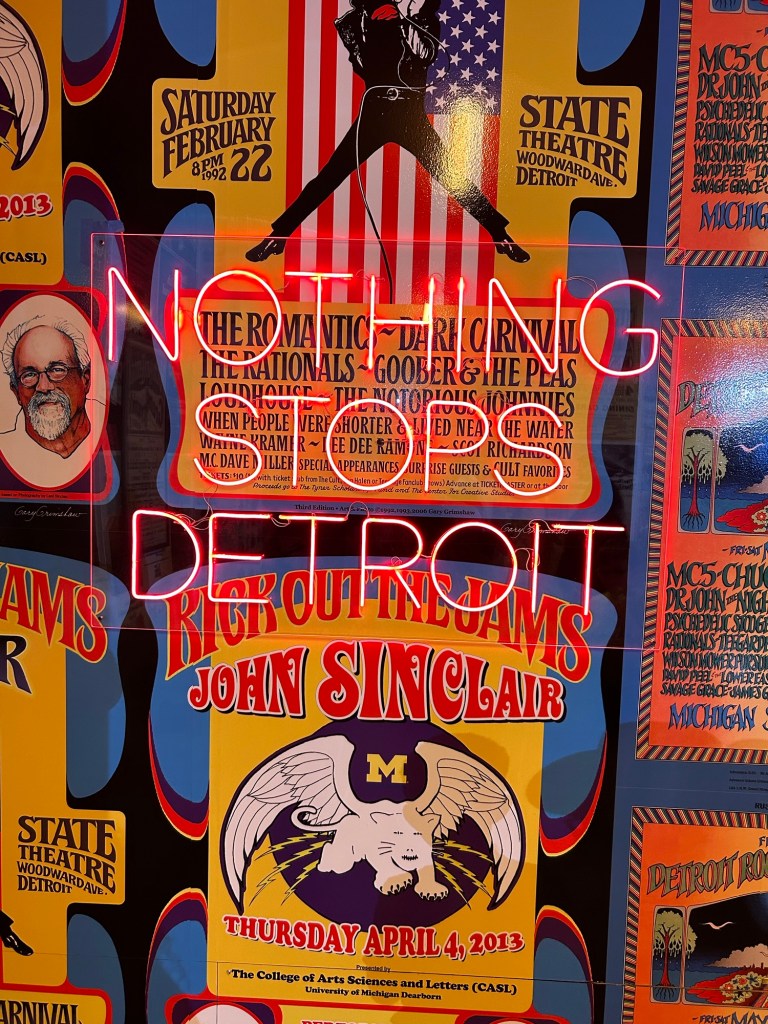
Having said all that, the future is starting to look bright for Detroit; for the first time in a long time. It’s like the red neon sign in the buildings “poster vault” says: NOTHING STOPS DETROIT
Thanks for stopping by Rebuilding Rob. Be sure to like, comment and subscribe to my blog below. It’s greatly appreciated! Also, feel free to follow me on social media as well! Check out my most recent posts as well as some earlier, related posts:
- Shit or Get Off the Pot
- The Productivity of Peace
- The Last Man Standing
- The Ballistic Grade Rebuild
- Rob Reviews: Daredevil Born Again, episode 2.4 “Gloves Off”
The article “Nothing Stops Detroit” first appeared on Rebuilding Rob.

 Rebuilding Rob
Leave a comment