CONFESSION TIME: I’ve been a fan of professional wrestling for the better part of the last 40 years. Like most children of the 80s, I was introduced to the world of “sports entertainment, through the world wrestling Federation back in the early 80s.
As I started to get a little bit older, I noticed that there were other wrestling companies around the cable TV universe: ESPN began carrying AWA wrestling and TBS carried NWA wrestling, which gradually morphed into world championship wrestling (WCW). But through it all, I found myself constantly returning to the world of the WWF, later the WWE, not unlike the way one returns to their one true love.
But it hasn’t always been unconditional. As as getting into my high school years in the late 80s and early 90s, I found my interest in pro wrestling awaiting. That’s naturally suppose, driving a car, working and developing something of a social life.
But in college, I’d return to progression again. The storylines on both WWF and WCW had changed. They got darker. They’re trying to reach more mature, lack of a better term, audience. Around the same time, the Internet was just coming into its own. And a lot of the “dirt sheet” newsletter writers had made the transition to online reporting. Now, things that were going on backstage in pro wrestling were just as interesting as, if not more interesting, then what was happening on my TV screen.
If you’re a fan of professional wrestling, particularly the WWE, and by fan, I mean, someone who devours both on screening backstage information as much as possible, they’re probably wasn’t a whole lot of new information to come out of this part Netflix documentary. It was still entertaining. It was interesting to see, some detail about his life.
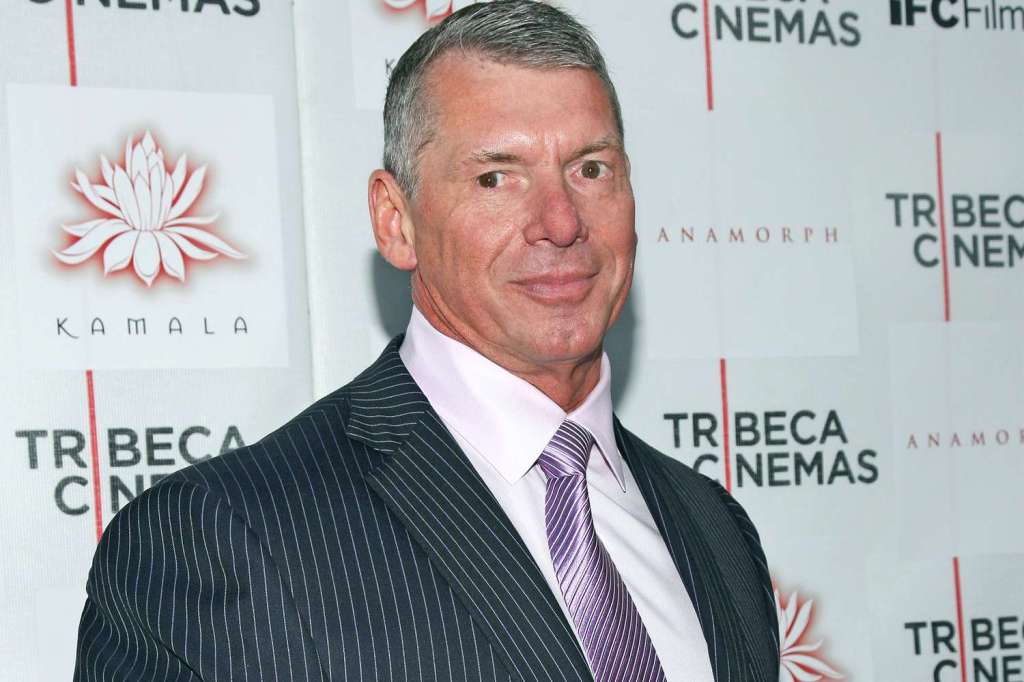
As I got older, and more politically minded, it got very hard for me to separate the entertainment value from the personal activities of all around WWE boss Vince McMahon. Sure, I’d heard some of the allegations against him, I’ve heard about the steroid trial. I remember hearing about the death of Owen Hart and Mcmahon’s tasteless tasteless decision to proceed with the show that night. Then, of course, there was McMahon‘s abrupt exit from the company earlier this year following the Janel Grant lawsuit, which was piggybacked by a federal criminal investigation. 
however, is a viewer and a lifelong fan, I guess I wanted to hear more. I wanted to hear more about his early life. It was inevitable that the Janelle Grant case was going to come up near the end of the series. But for much of the six episodes, viewers were treated to a history of the WWE itself, as has been explained many times over in the past.
All of the famous, – and infamous – moments were addressed: Vincent decision to violate the territorial bounds of wrestling in the early 80s and take WWF nationally and eventually globally. The ring boy scandal of the early 1980s was brought up. The steroid trials. The Monday night war in which world championship wrestling very nearly put WWE out of business. the murder/suicide of Chris Benoit and his family, And of course, Vince’s numerous sexual escapades both on and off-screen, were addressed.

The doc did some shed new light onto certain details of McMahon’s family life: the complicated relationship with his son, Shane. The rise and above departure of his daughter, Stephanie; and his very complicated marriage to wife Linda.
I guess the one big take away from “Mr. McMahon“ was that nobody really seems to know who Vince McMahon is. Is he Vince? Is he the evil on screen personality Me, McMahon? Is he a little bit of both? Where does the character in the real human being begin? Hell, Vince himself doesn’t seem to know.
Wonder remark that I have always heard over the last few decades in WWE programming is that: “the most successful WWE performers are those who basically take their own real life personality and turn it up to 11 on-screen”. it has been said about the rock, Stone Cold Steve Austin, and a slew of others. But in the case, I believe the “Mr. “character is simply Vincent real life personality. But rather than turned up to 11, it only needs to be turned up to two or maybe a three.
Most of the higher-ups in WWE have already come forward, saying that the documentary was a smear job. But I think while editing is a very powerful, creative tool, documentarians can only do so much with the material that they are given. If Vince McMahon comes across as a monster. It’s because, more often than not that he he seems to be.
At the same time, the series did not shy away from the enormity of Vincent achievements. Several interviewees called him a modern day PT Barnum. Likewise, he was acknowledged is perhaps the most important person in the history of professional wrestling. But the doctor didn’t shy away from the fact that for all of his accomplishments, There is just as much bad stuff bubbling beneath the surface.
FINAL TAKE: recommended, for fans of both pro wrestling and documentaries. The series really didn’t provide much new information for wrestling junkies like myself. Within pro wrestling fandom, “tribalism“ is the word of the day. Many fans either loveor hate WWE. The series won’t do much to alter their perceptions of Vince McMahon either way. However, I think fans of documentaries will enjoy this look into this very public, very complicated, very controversial figure.
Mr. McMahon is currently streaming on Netflix.
Thanks for stopping by Rebuilding Rob. Be sure to like, comment and subscribe to my blog below. It’s greatly appreciated! Also, feel free to follow me on social media as well! Check out my most recent posts as well as some earlier, related posts:
- Shit or Get Off the Pot
- The Productivity of Peace
- The Last Man Standing
- The Ballistic Grade Rebuild
- Rob Reviews: Daredevil Born Again, episode 2.4 “Gloves Off”
The article: “Rob reviews: Mr. McMahon“ first appeared on Rebuilding Rob

 Rebuilding Rob
Leave a comment