As WordPress continues to recycle old prompts, I pulled another prompt from The Coffee Monsterz Co to respond to today
Is there a business you stopped buying from recently?
Yesterday‘s prompt was asking about any brands for whom I have developed loyalty. I was talking about the fact that ever since I’ve been in college, I’ve tried to be a little bit more informed about the various charities or political causes to which businesses contribute.
The truth is, being that passionate about where business is spend their profit makes it very difficult to do business with much of anybody. I try to remain informed and come through grid teeth, I still make purchases to certain companies whom I know give their money to political causes That I don’t agree with.
Nike, for all we’ve heard about their sweatshop labor practices , still has my loyalty as a brand. They are more expensive than other athletic brands, particularly their athletic apparel. I generally don’t buy much in the way of Nike shirts or hoodies. I stick primarily to their shoes. And while their shoes are more expensive, they are, quite simply, better made than many of their competitors.
But one business that I – and ma y other Americans- have stopped shopping at recently has been Target. It has been much publicized recently that target, among other companies have decided to abandon their DEI (diversity, equality, and inclusion) policies.
Target’s TikTok account has been overrun by negative comments, as they pertain to target abandoning his DEI policies. Furthermore, most of the comments on target TikTok videos are also mentioning Costco, who decided to continue their DEI policies, despite the Trump regime’s calls to end DEI, this CNN article from February explains.
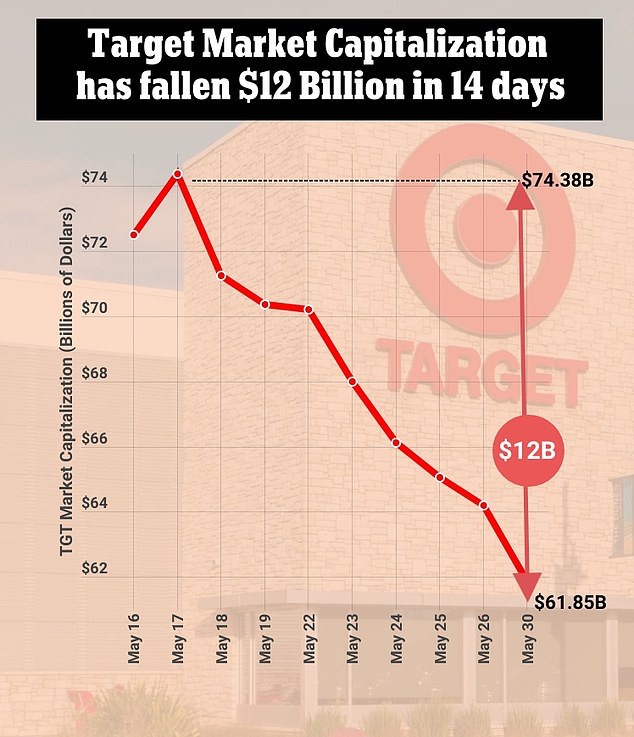
Target’s recent sales and stock struggles may be irreversible. Target isnt. the only company that has abandoned its DEI policies. But because of their history as a brand – historically learning more progressive, and appealing to a more progressive customer base, former target shoppers feel betrayed by this reversal in policy. I must admit that I too feel betrayed by Target. That is the reason that I no longer shop there.
I can’t speak for all disenfranchised former Target shoppers, but for me, the most tragic part of this is that I once was a dedicated, loyal target customer. When I was in college, many moons ago, I used to joke about having a “$50 quota” at target. For years, I could not leave the store without spending at least $50. if I went to buy a pack of gum, I could very easily leave with a new bathroom set. That’s just the pull that the store had for me. that level of brand loyalty may never return for me again.
At this point, the damage to their reputation may be irreparable. Even if they get a new CEO, even if they decide to rollback their DEI policies, they will never fully regain the trust of the consumer that they once had.
For many of the shoppers, target was perceived to be a “upscale version of Walmart“ with better political views. Now there’s really no difference between the two, except for the fact that Target is actually more expensive than Walmart. At least with Walmart, customers have pretty much always known exactly where the company stands. 
Thanks for stopping by Rebuilding Rob. Be sure to like, 👍 comment and subscribe to my blog below. It’s greatly appreciated! Also, feel free to follow me on social media as well! Check out my most recent posts as well as some earlier, related posts:
- Rob Reviews: Daredevil: Born Again, episodes 2.2 and 2.3
- Artemis II: The Audacity of Human Potential
- Episode 7: The Teacher Armor is now LIVE!
- The Single Screw
- April: The Season Opener
The article “Target: a case study in public relations suicide“ first appeared on Rebuilding Rob

Proudly powered by WordPress

 Rebuilding Rob
Leave a comment