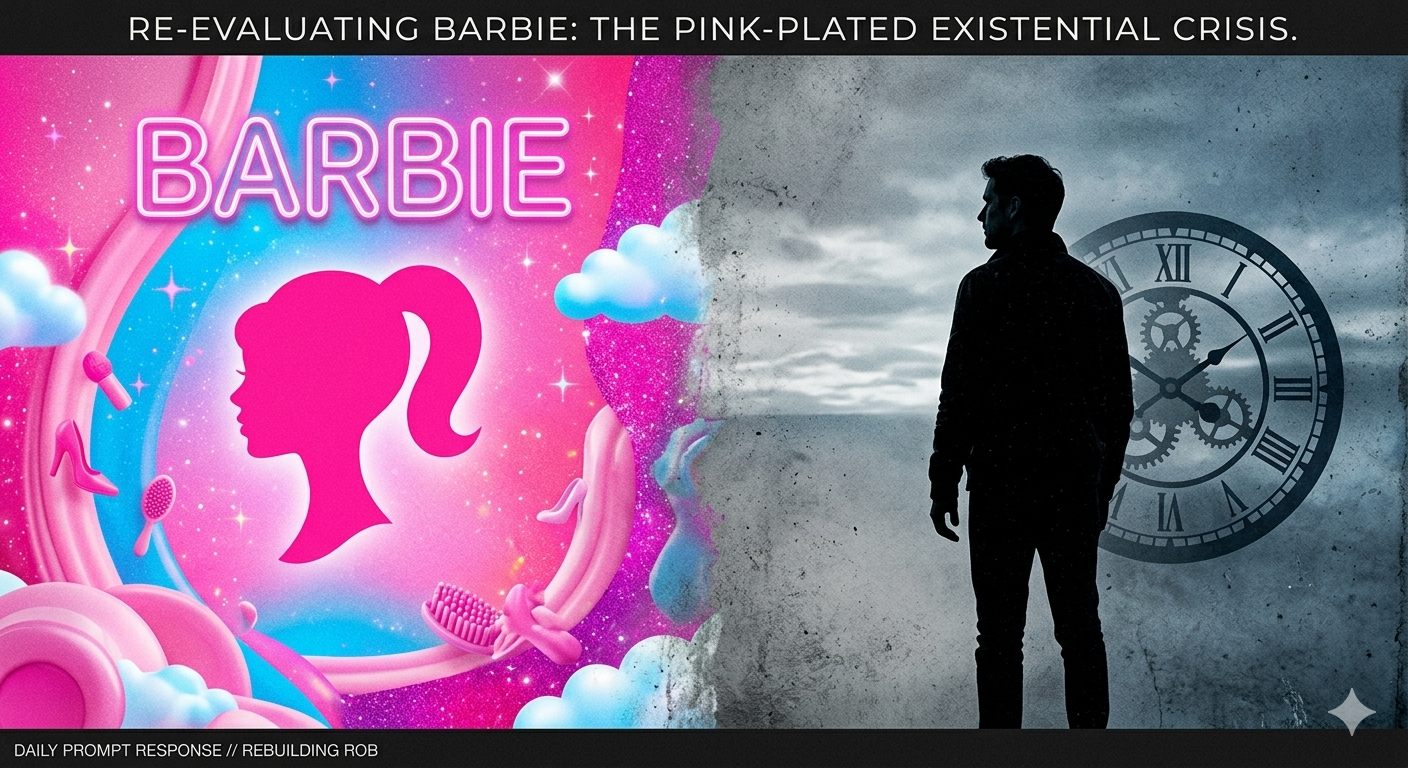


One movie I expected to hate—at least when I heard it was in production—was Barbie. I figured, at best, it would be a run-of-the-mill, 90-minute toy commercial. At worst, I figured it would be one of those saccharine attempts at empowering women by extolling the virtues of “girl power” without ever explaining exactly what it means.
But then I started to read the reviews. Some critics called it “subversive.” Politically conservative types said they hated it. Those two statements alone were enough to pique my curiosity.
I remember the “Barbenheimer” phenomenon in the summer of 2023. While counter-programming is a common tactic used by rival studios to force fans to choose between two massive releases, something unusual happened here. Barbenheimer went viral. Fans bought tickets to both Barbie and Oppenheimer, creating their own ultimate double-feature. We were all still craving that collective cultural experience after the isolation of the Covid era, and filmgoers were just excited to have a shared experience in theaters again.

When I finally streamed it – and later gave it a formal review on the blog back in the summer of 2024 – I realized Barbie was not what I expected. It certainly wasn’t a movie intended for eight-year-old girls. I wasn’t ready for a meta, existential crisis-afflicted Barbie and Ken. On the surface, it takes a massive swing at the patriarchy and the real world we live in. But underneath the bright pink aesthetic, it explores something much more human.
As I’ve reflected on the film since first reviewing it, the parts that stick with me aren’t just the cultural commentary, but the quiet, existential undercurrents. When Barbie suddenly starts thinking about mortality, it hits a chord. The older I get, the more those thoughts of our own limited time naturally creep into the frame.
And then there’s Ken. In the film, he’s portrayed with all the vapid generalizations we usually attribute to dolls, but his journey captures something universal. We all have those moments where we desperately want to be more than what we currently are, even if we don’t naturally belong in the new element we’re trying to force ourselves into.
In the real-world storyline, a mother is reminded of her own need to dream, reconnecting with the imagination of her youth through her old toys. I sincerely believe that youth isn’t just a specific timeframe in life; it’s a state of mind. Keeping a foot in the world of imagination and creation is how we refuse to let the real world flatten us.
Barbie gave audiences something far deeper than anyone had a right to expect from a movie based on a doll line. The marketing campaign almost did it a disservice by hiding its depth. But maybe that was the point: make them think they’re coming in for two hours of popcorn, and give them something to go home and truly think about.
Rebuilding a life takes grit, consistency, and a lot of ‘Option C’ thinking. Whether I’m closing in on 1,000 consecutive days of blogging or reflecting on the decade of work that brought me here, the mission remains the same: No glitz. Just the work. New to the blog? Start your journey here to see the blueprint and the ‘Tricorder’ perspective behind the rebuild.
Today’s post is inspired by the WordPress Daily Prompt. While I’ve taken the topic in my own direction for the Road to 1,000 Days, you can find more responses to today’s prompt HERE.
Thanks for stopping by Rebuilding Rob. Be sure to like 👍, comment and subscribe below. It’s greatly appreciated! Also, feel free to follow me on social media and check out my recent posts!
- Straight lines and empty lots
- Rob‘s Retro Review – Transformers: The Movie (1986)
- Rob Retro Review: Avengers Endgame (2019)
- When Everything Is “Woke”
- Rob’s Star Trek Strange New Worlds Season 4 Rankings
AI art created by Google Gemini
The article “Re-Evaluating Barbie: The Pink-Plated Existential Crisis” first appeared in Rebuilding Rob.


Leave a Reply