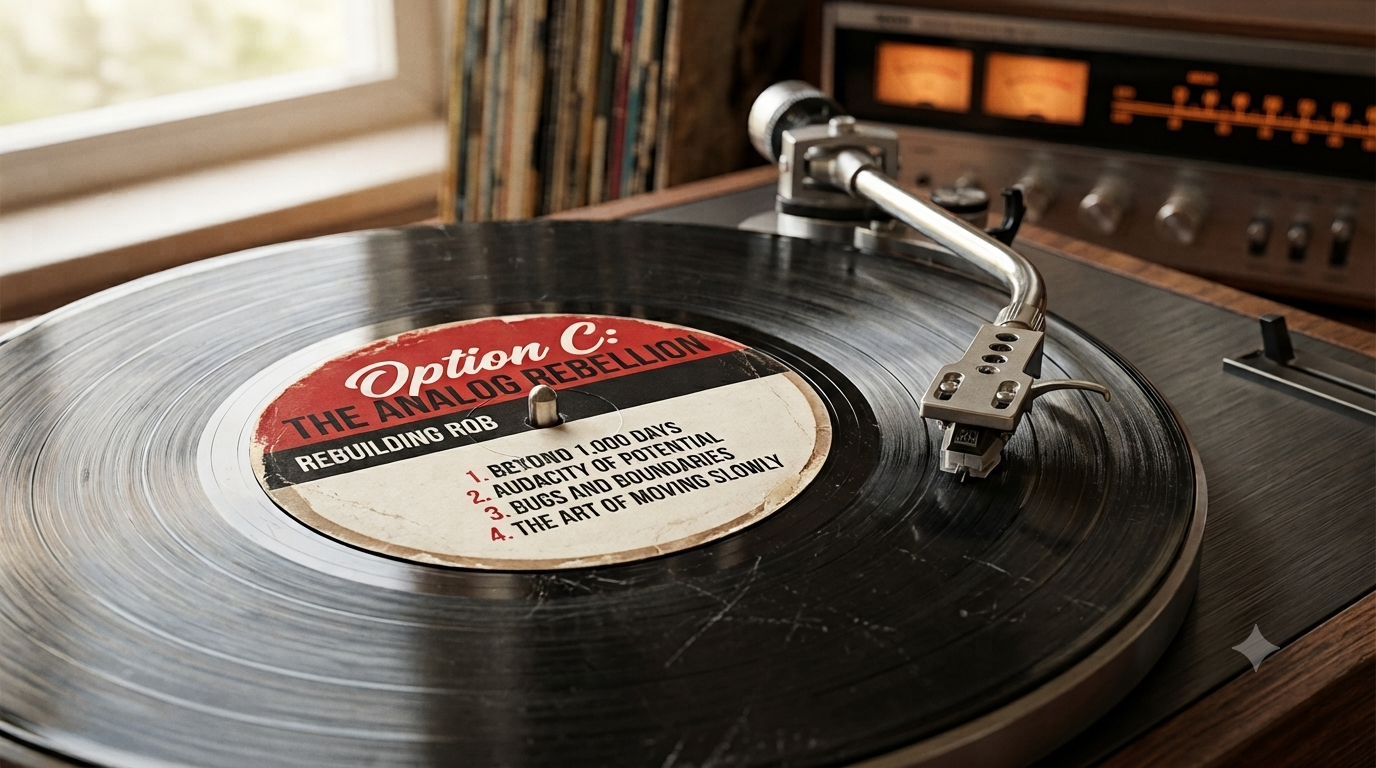


I don’t know if I can truly label them “outdated,” but I miss physical media more than any other technology from the past.
I understand the perspective of entertainment companies: manufacturing physical media is expensive. Sony, for example, recently announced they are phasing out hard copies of PlayStation games, which has sparked a massive backlash. I’m old school. I like supporting artists and creators by purchasing a physical copy of an album, movie, or game that I love. While I use streaming services for convenience, the business model bothers me—we aren’t actually buying anything; we are simply renting access.
We’ve all seen the frustration when studios pull content from their own platforms—like Paramount+ removing Star Trek movies to lease them elsewhere for a few months just to shake a few more cents out of the piggy bank. If you own the disc, you’re immune to those games. And let’s not forget the precedent set when Amazon remotely deleted copies of George Orwell’s 1984 from customers’ Kindles. That wasn’t a glitch; it was a wake-up call that “owning” digital content is often just a temporary license.
I’m not anti-technology—I love that our smartphones are our 21st-century “Tricorders”—but streaming isn’t the be-all and end-all. Streaming can never replace the communal experience of a theater, or the ritual of opening a new record, reading the liner notes, and studying the artwork.
The Financial Reality
Back in the 90s, the R&B trio TLC sold 10 million copies of their CrazySexyCool album and went on a massive world tour, yet they were essentially bankrupt, grossing only about $55,000 each for that entire year. Lisa “Left Eye” Lopes famously broke those numbers down to show just how little the artists actually keep, even in an industry built on the sale of physical hard copies.
Curating Your Own Life
If that was the reality back then, imagine how much harder it is for today’s artists to survive when revenue streams are practically non-existent. It’s no wonder we’re seeing the rise of AI-generated “bands” like The Velvet Sundown, where the algorithm is constantly steering us toward synthetic alternatives to maximize corporate margins. When we rely on streaming suggestions, we stop being curators of our own lives. Check out my thoughts on The Velvet Sundown and AI generated media here.
The Analog Rebellion
Choosing physical media is a defensive act. It is an application of my “100% Policy” to my leisure time—a way of saying that I choose to support human artistry over AI-generated noise, and that I refuse to let an algorithm decide what I value.
There is a sense of rebellion in choosing physical media. It’s like the resurgence of traditional film photography; it may never be as dominant as it once was, but the demand for a tangible, intentional experience remains. Maybe Gen Z is onto something. After all, if they can find the beauty in the 80s—the decade that defines my generation the way the 60s defined the Baby Boomers—perhaps they’ll be the ones to finally pull us back toward tangible, lasting culture.
Rebuilding a life takes grit, consistency, and a lot of ‘Option C’ thinking. Having crossed the 1,000-day milestone, I’m now charting the territory beyond. The mission remains the same: No glitz. Just the work. New to the blog? Start your journey here to see the blueprint and the ‘Tricorder’ perspective behind the rebuild.
Thanks for stopping by Rebuilding Rob. Be sure to like 👍, comment and subscribe below. It’s greatly appreciated! Also, feel free to follow me on social media and check out my recent posts!
- The Quiet Mirror
- Typos, Time Capsules, and the Art of Letting a Post Be
- Rob Reviews Star Trek: Strange New Worlds “A Case of Chiaroscuro”
- The Digital POW Camp
- Episode 3.5 “The Last Quarter“ is LIVE! 
AI art created by Google Gemini
The article “ Option C: The Analog Rebellion“ first appeared on Rebuilding Rob.


Leave a Reply